Advice
The Cost of Over Promising
Words by
Brickworks
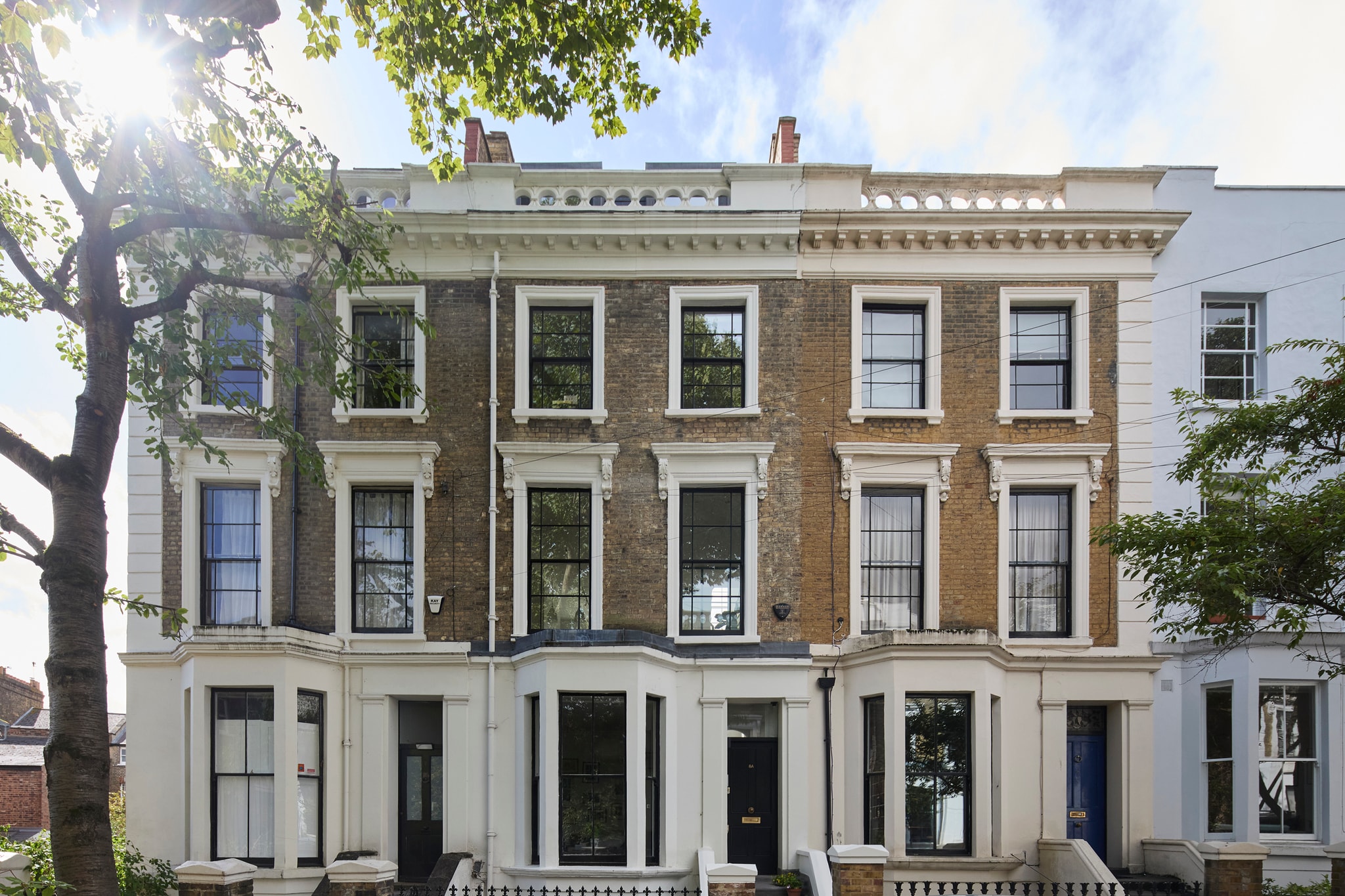
There’s a quiet truth in the property industry that rarely gets said out loud: winning an instruction and delivering a result are not the same thing.
At face value, a higher sale price can feel like a sign of confidence. For a seller, it can reinforce hoped-for expectations and help tip the balance when choosing between agents. In a competitive pitch, it’s an easy lever to pull. But that early optimism can set expectations that don’t always translate once a property is listed.
That's because the property market doesn’t just respond to aspiration. It responds to evidence, positioning and timing too.
When a property launches at the right level, it reaches the widest possible audience from day one. And it doesn’t just attract interest; it can create the conditions for competition, as it sits squarely within the range that multiple buyers are actively searching in, rather than just skimming the edges of visibility. That means more eyes on it, more viewings booked and more people assessing it at the same time.
When that overlap happens – when several motivated buyers recognise the value simultaneously – it changes the dynamic. That sense of shared interest naturally increases urgency and strengthens offers, often positively impacting timing and price. And this is where the distinction between winning instructions and delivering results becomes clear.
At Brickworks, we’ve always believed that pricing is not about securing the listing, it’s about securing the outcome. That means being honest about where the market is today and positioning a home in a way that encourages buyers to proceed, not hesitate.
The data reflects this approach. In 2025, almost 80% of Brickworks’ sales were completed at or above the guide price, compared to a national figure of just 35%. Across all agreed sales, we typically saw homes sell around 2% above guide, translating into an average of £12,543 extra for our clients.
Set against the wider market, the contrast is striking. In early 2025, the average London sale price was 5.6% below the guide price, while across the UK and Wales, homes were achieving around 1.24% below.
At first glance, those percentages may not feel dramatic. In reality, they can translate into very significant sums. Differences of this scale can equate to many tens of thousands of pounds, depending on the property, which only reinforces a consistent pattern: when pricing and positioning are aligned from the outset, the market responds more positively.
There’s also an important nuance here. Not every home fits neatly into a set of comparable data points. Some properties – particularly those that are architecturally unusual or rarely come to market – are inherently harder to value. Pricing in these cases isn’t an exact science; it requires judgement as well as evidence. That instinct, though, is always grounded in pragmatism. Lenders and surveyors play a role in most transactions, and their criteria often shape what is ultimately achievable.
It’s also true that price and speed aren’t always directly linked. While this may seem contradictory, more unusual or higher-value homes in specific locations can often take longer to sell. In many cases, it comes down to finding the right buyer, which naturally takes more time. In situations like this, it’s important for the agent to be upfront with the owner from the outset.
Buyers, too, are more informed than ever. Most have a clear sense of what a two-bedroom garden flat in a given postcode is worth, both in the wider market and to them personally. Pricing, then, is about balancing all of these perspectives, supported by a level of due diligence that gives both buyers and sellers confidence in where a home sits.
It’s also worth cutting through some of the noise around how success is measured. Market share, board counts, social following; these are often presented as indicators of performance but they don’t move a sale forward. They’re vanity metrics. What matters is what happens after a home is launched: whether it generates meaningful interest, whether it progresses smoothly, and whether it ultimately reaches completion. That’s the difference between activity and outcome, and it’s the latter that truly defines value for a seller.
There’s also a more human side to this. Selling a home should feel progressive, not uncertain. A well-positioned launch that generates early interest creates a sense of momentum and direction, helping sellers – and buyers – move forward with clarity.