Memoirs
The Power of Home-Making
Words by
Brickworks
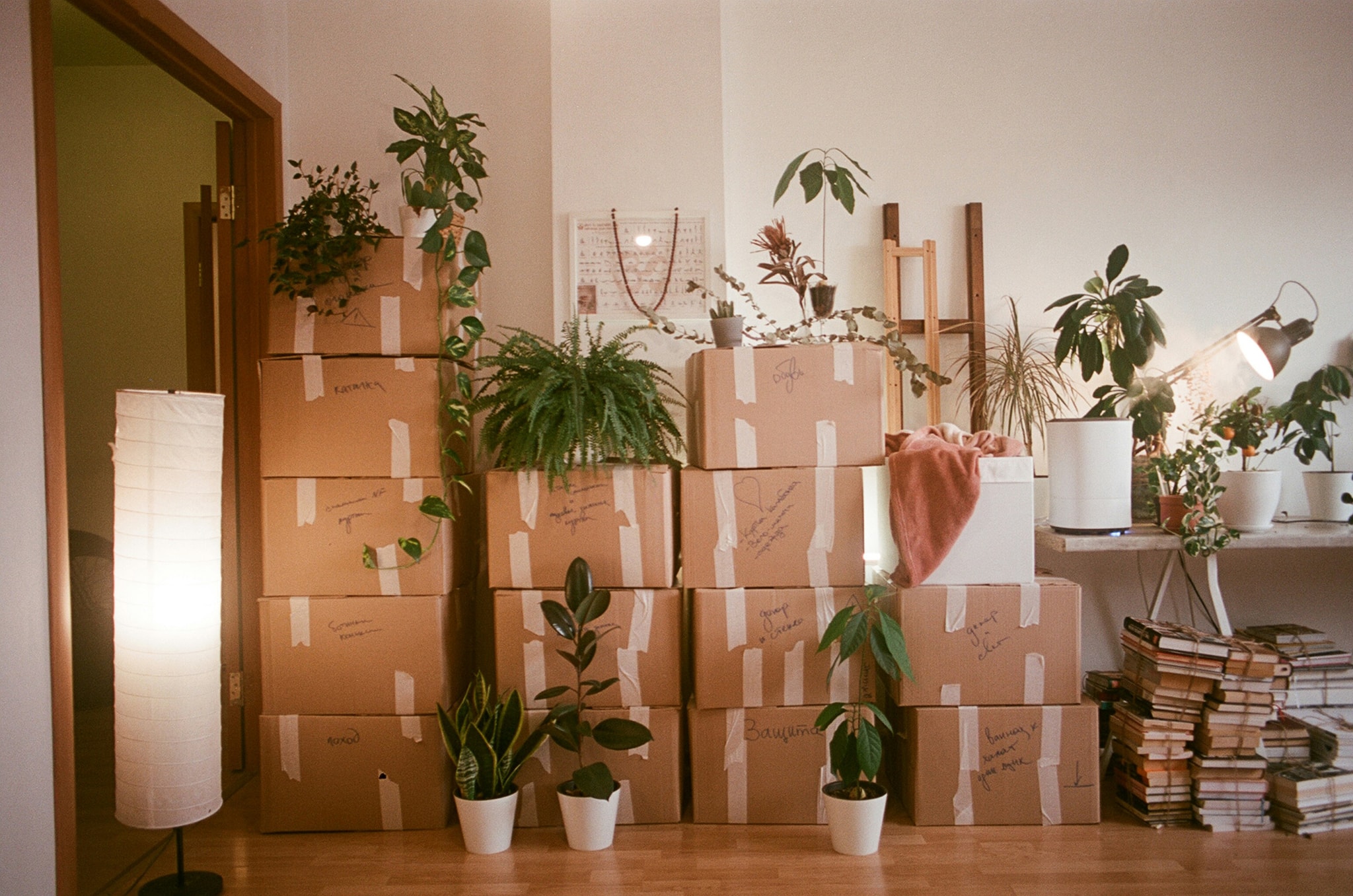
March is Women’s History Month — a time to reflect on the women who shaped our world, often quietly and without credit. When we talk about women’s history, we tend to focus on breakthroughs in politics, science or activism. But history was also sustained in kitchens, at dining tables and in the everyday rhythms of home life. It was built — quite literally — from the inside out.
For centuries, the home has been described as 'the woman’s domain'. Sometimes that phrase restricted. Sometimes it diminished. Rarely did it honour the socio-economic weight of what actually happens there. Because, while unpaid, home-making has always been foundational. Economies function because homes function. Families flourish because someone is doing the invisible labour of care, organisation and emotional stability.
As of early 2025, women in the UK still shoulder the majority of unpaid household work, investing disproportionate time and energy into sustaining home life for themselves, their partners and their families. Yet this labour remains undervalued because its contributions are not immediately visible within dominant economic structures. When couples start families — and men still statistically earn more — it is often women who reduce their working hours to stay at home. Society tends to see this as a step backward rather than as a shift in responsibility that requires expertise and leadership.
We think it’s time to reframe things.

Home-making in 2026 is not about prescribed roles, or ‘tradwives’ for that matter. It’s about recognising the power of shaping the environment in which life unfolds. And we’ve noticed a quiet resurgence of it with quilting, knitting, bread-making and renovating on the rise. Particularly among millennial women, there’s a return to tactile, grounding pursuits that root them in their spaces. In a world driven by tech and speed, choosing to invest time in the home feels almost radical — a refusal to let every part of life be optimised.
Take bread-making, for example. For many, the process is deeply therapeutic — an active meditation that asks you to slow down and be fully present. Kneading dough, waiting for it to rise, baking something nourishing from simple ingredients: it’s mindful, rewarding and empowering. The bread tastes better, yes — but the deeper reward is the sense of self-reliance and calm that comes with it. The same is true of many home-making pursuits, whether sewing, gardening, pickling or crocheting.
And once you learn these skills, they stay with you. You can carry them from house to house. The home-maker’s toolkit becomes something you can return to whenever you need grounding, wherever you happen to live. If the pandemic taught us anything, it was the value of being a little more self-sufficient — and it gave many of us the time to rediscover those comforting, so-called ‘grandma-core’ hobbies that have been waiting in the wings.
Home-making isn’t regression. It’s reclamation.
“Bread-making and cooking from scratch have taught me to slow down — they’re rituals that bring me calm, focus and a surprising sense of wellbeing.”
Ellie Rees, Founder & Director
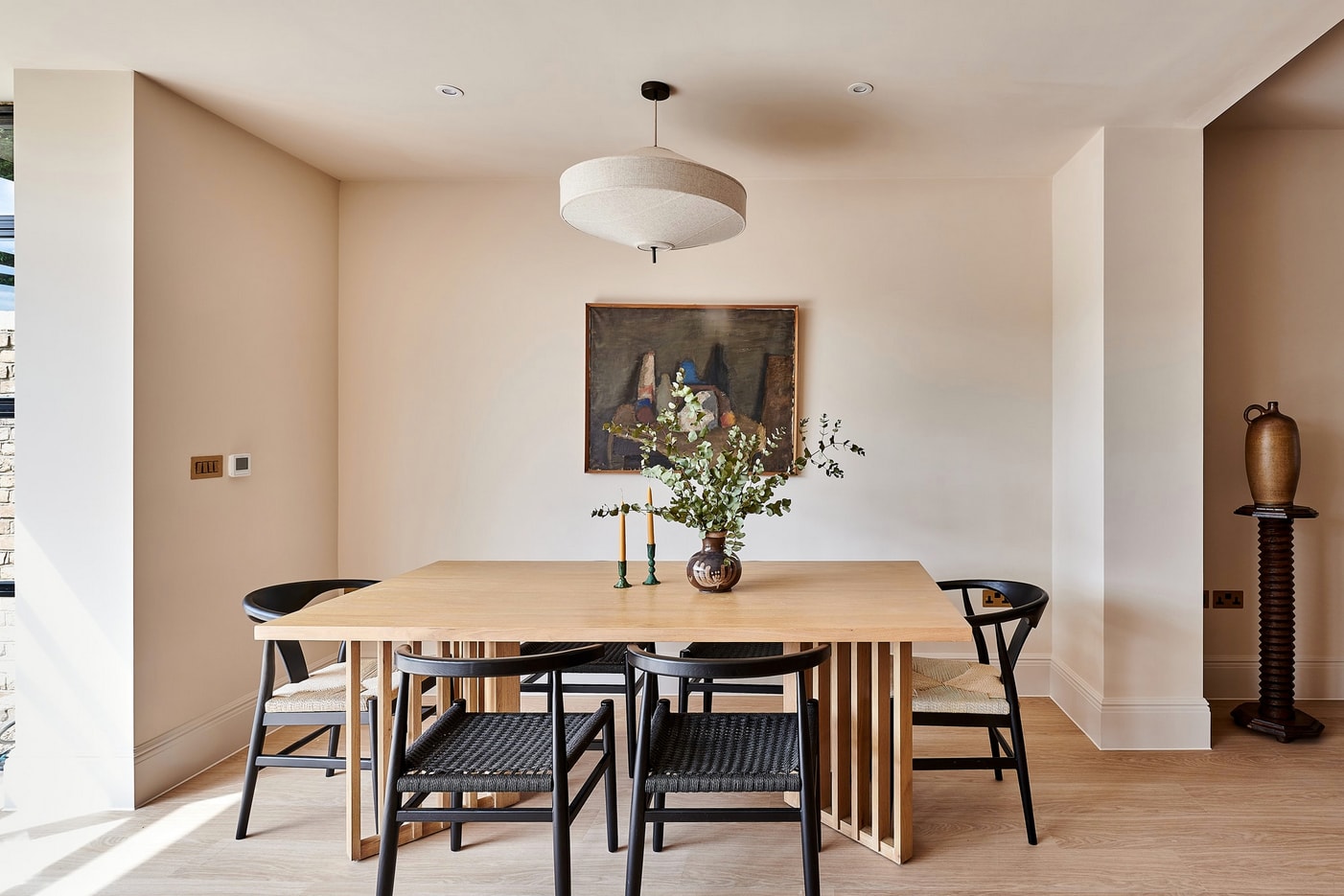
At Brickworks, we’ve seen inside literally hundreds of homes. We’ve witnessed the quiet evidence of care — kitchens designed for both chaos and comfort, rooms reshaped as families evolve, corners carved out for creativity or rest. Women so often sit at the heart of these spaces — not because they must, but because they frequently take up that mantle. And they do it with skill.
This understanding shapes the way we sell homes. With empathy, attentiveness and a deep understanding that estate agency isn’t just about property — it’s about the backdrop to someone’s life. Perhaps that’s why women make exceptional estate agents; they instinctively understand how a home functions across seasons, stages and emotions. They see beyond square footage to lived experience.
Redefining home-making means lifting it out of the stereotype and appreciating it as the important, creative and socially vital work it is. It means valuing whoever stands at the helm of a home — woman or man — and acknowledging the expertise involved in shaping a space where life can thrive.
This Women’s History Month, we’re not just looking back nostalgically. We’re recognising something that has always been true: the work of shaping a home shapes lives in return. Home-making is not a relic of the past; it’s powerful, present and profoundly important — and we’re proud to champion it in every home we represent.