Advice
How to Sell a Home Well: With Brickworks
Words by
Brickworks
In the first part of our guide to selling a home well, we spoke to three industry insiders about the details that make a difference, from getting the presentation right to understanding what buyers are really looking for. But what does that advice look like in practice?
For part two, we bring the conversation closer to home. Co-Founder of Brickworks, Ellie Rees, shares her perspective, alongside a client who put our advice into action when selling his own home, including investing in professional staging as part of the process. Together, they offer a more personal take on what it means to prepare well, present thoughtfully and give a home the best possible chance of finding its next owner.

Ellie Rees, Co-Founder and Director of Brickworks:
If the guide price is right, it’s usually only a fundamental problem that will make a property difficult to sell (or the presentation, of course, which is why we are here...). That might be Japanese knotweed without an eradication programme in place, a very short lease or an unresolved neighbour dispute that requires disclosure.
Those are the sorts of invisible issues that can really send a sale off track. Everything else is about presentation, care, preparation and investment.
THE DEVIL’S IN THE DETAILS
An overwhelming number of properties that come to market through conventional agents aren’t quite ready. Sometimes it’s missing information in the particulars or poor photography. Even the most beautiful and well-maintained properties often need that extra dotting of the i’s and crossing of the t’s. The best properties I see are often 80–85% ready, and we’re aiming to get them to at least 95%.
The most common thing we have to deal with is decluttering. We all live in a way that’s perfectly normal, but that isn’t necessarily conducive to a well-directed photoshoot for sale.
“A space can be beautifully designed and gorgeous to live in, but that doesn’t mean it will photograph well. Staging and styling for sale is a different discipline from interior design for living.”
Ellie Rees
We’re often asking people to clear the tops of cupboards, remove scooters and bikes from the hallway, clear kitchen surfaces and underneath beds. It’s a really good opportunity to have that blitz you’ve probably been meaning to do anyway – whether that means trips to the charity shop, framing artwork that’s been sitting in a drawer for years, going to the dump, or tackling those little jobs such as cleaning grout and fixing door handles.

GET IT RIGHT FROM THE OUTSET
If I could give a seller just one piece of advice, it would be this: get your ducks in a row. And that means everything you can't see, as well as everything you can.
Get ahead of the legal paperwork. Check your Land Registry details and title documents, request the management pack if you're selling a leasehold property, and track down any relevant certificates and guarantees for electrical or gas work, boilers, windows and alterations.
Increasingly, we're also seeing sellers commission their own surveys before going to market, whether that's a general building survey or a more specialist structural assessment. It's a sensible approach; being forewarned really is forearmed. Knowing about potential issues in advance gives you time to address them, rather than discovering them halfway through a sale when emotions are running high and everyone is under pressure.
And don't wait until you've found a buyer to instruct a solicitor. If you can get them involved weeks before launching, all the better. Ask what enquiries, documents and potential complications can be dealt with upfront.
Selling a home can be an unpredictable process, but good groundwork puts you in a much stronger position.
THE VISIBLE PREPARATION
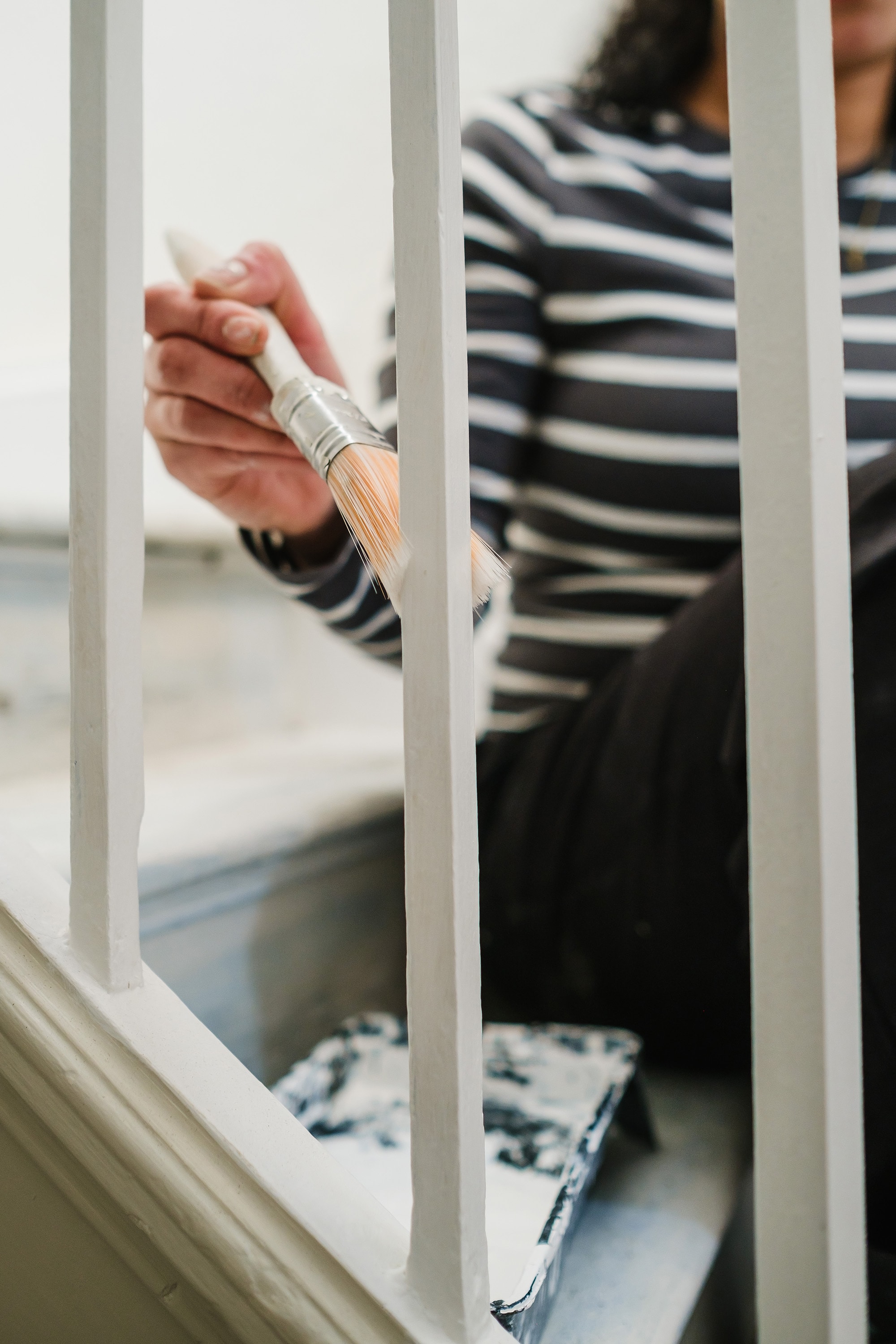
Then tackle the visible. If the woodwork is chipped, paint it. If a floorboard is broken, fix it. If the windows need cleaning, clean them. The better the first impression, the more interest and the more likely you are to find the right buyer and maximise value. Together, these details speak to the quality of the home and the confidence buyers can have in it.
The other thing I'd think very carefully about is the launch price. In a challenging market, it's particularly important not to start too high or be swayed by an optimistic valuation. Get at least three opinions, and don't automatically choose the agent who suggests the highest figure.
It might seem counterintuitive, but launching at a more conservative price can actually achieve a better financial result. By attracting more interest from the outset, you create the opportunity for competition between buyers, which can ultimately lead to a better outcome.
The alternative is to launch too ambitiously. It’s a cliché, but it’s true: list too high and you risk having to reduce later. By then, the initial excitement has faded, the property has been sitting on the market for a while, and buyers may start to wonder why it hasn’t sold. It can be a difficult position to recover from.

Trevor White, Brickworks' Client:
Staging was actually first proposed to me way back in the 1990s, long before I even owned a property. A colleague and friend of mine was starting to do it in Vancouver, where I’m from, so it was very much on my radar when we spoke to Ellie and Rex at Brickworks.
We took a lot of care in making the place look fantastic, but we also knew that individual taste isn’t necessarily going to appeal to everyone who comes to see a property. It’s important to achieve a look that appeals to as broad a base as possible.
“We kept a lot of the individual artworks, and things that gave the house its particular feel. But spatially, and in terms of showing off the rooms to their best ability, staging was really important.”
Trevor White
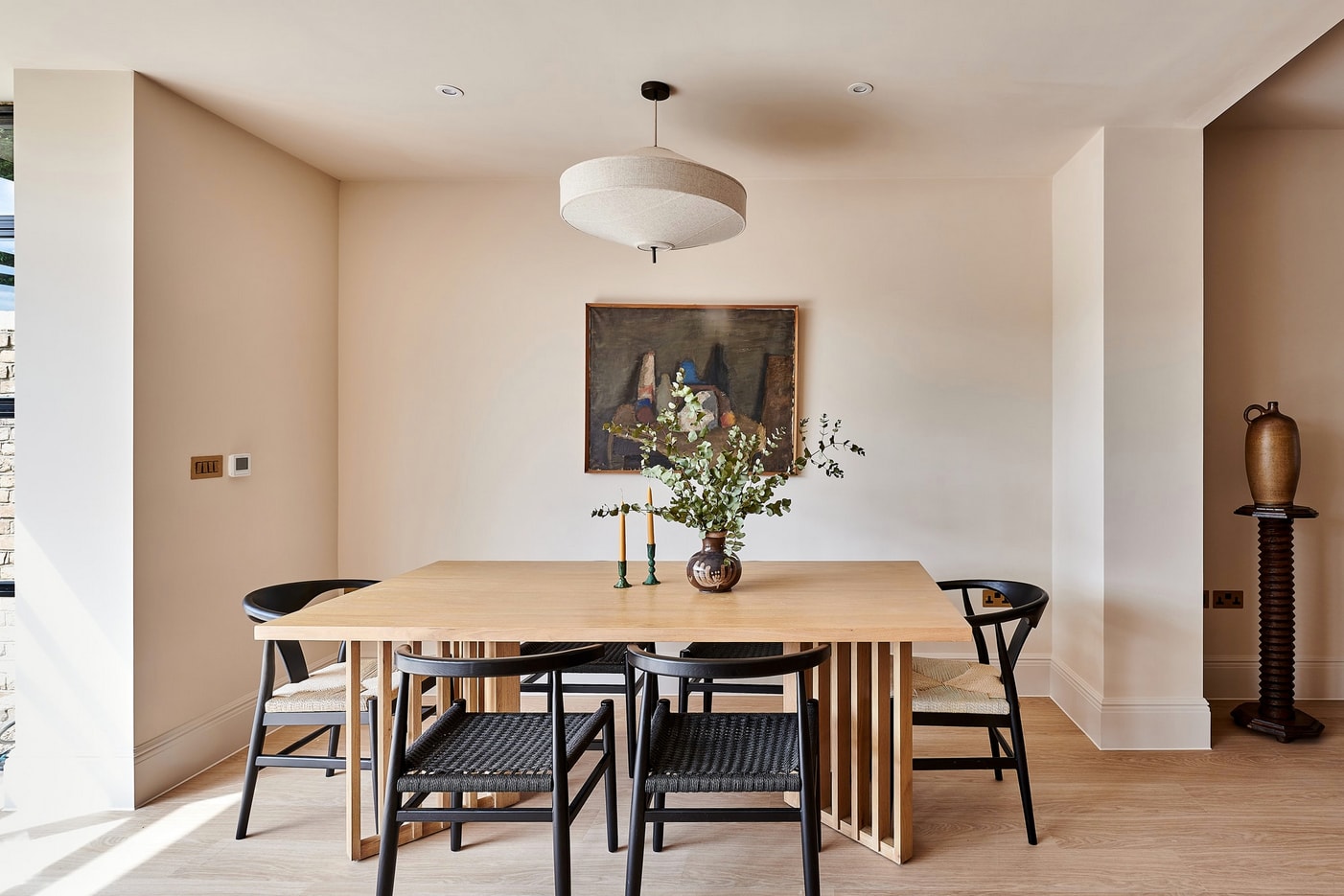
I know it from both sides of the coin – having staged a property and having viewed houses to purchase – that there’s something really special when you see a place that looks like a dream home. You think, wow, there’s been real thought and consideration put into everything, from the furnishings and artwork or even to the plants, or the way they’ve styled the balcony. That was a huge part of it for us.

SPEND MONEY TO MAKE MONEY
Trevor continues:
Spending money on a house you’re about to leave doesn’t necessarily feel entirely sane, but actually I think it’s an incredible investment. You do have to spend money to make money. It’s a bit like going out for a special night with your partner or on a date: you don’t just take them to a nice restaurant, you want to look your best too. Why wouldn’t you do the same for a house, which is of course the most money you will ever spend in a single transaction?
Spending some thousands on a property worth £1 million or £2 million is a tiny percentage of what you could potentially get back. In our case, the staging and garden uplift probably amounted to around £10,000, but I strongly feel it made at least a £25,000 difference to the sale price.
IT WAS ABSOLUTELY WORTH IT
We staged our house from the beginning, rather than putting it on the market and then deciding to stage it if it didn’t sell. It went on in July, when the market wasn’t particularly buoyant, and although we didn’t have a huge number of viewings, there was a lot of interest from the people who did come. It was absolutely worth it.
I’m not sure we would do a whole lot differently. We were abroad when we were selling, which made things a little challenging, but actually leaving it in the capable hands of the Brickworks team meant we weren’t micromanaging everything. We left it to the experts and they did a brilliant job. I would 100% stage a property again.