Advice
How to Sell a Home Well: An Insider Guide
Words by
Brickworks
Selling a home well starts long before it appears online. The best launches are rarely a matter of luck: they’re the result of getting the details, the presentation and the preparation right before the first buyer walks through the door.
In the first of two guides on selling well, we’ve asked three industry insiders who know what makes a home stand out to share their expertise: Rosie Falconer, Buying Agent and Founder & Director of Sekforde Property; Filippo Calvagno, Interior Designer and Founder of Studio Calvagno; and home staging expert Samaya Ling, Founder of Porter & Gold.

Rosie Falconer, Founder & Director of Sekforde Property:
The first thing buyers notice when they walk into a property is more a feeling than an observation. Does this home feel like it’s been a happy one? Does the environment feel like it’s been cared for and well maintained? Has the owner spent time, thought and money on creating and curating the space?
All of these impressions create a sense of who the owner is, and whether they are going to be someone you want to enter into a transaction with. Do they cut corners, and will there be issues with the structural integrity of the building? Are they house-proud and attached to the house, so unlikely to compromise on the price? Are they invested in who the next custodians will be? All those first impressions and feelings create a picture of the owner in a buyer’s mind, and that is the foundation of any offer which might be made. So it really does count for a lot.
Presentation is paramount
Presentation is also incredibly important when it comes to marketing a property, as this is what draws buyers into viewing in the first place. If an average space is furnished and styled well, is clean, tidy and speaks to a buyer’s aspirations for their home and lifestyle, then most buyers can see past a kitchen or bathroom that needs replacing.
A space with good light, volume, and original features is always an exciting opportunity because the bones are there to work with to create something special. From experience, buyers are happy to renovate a home which hasn’t been updated for decades or is in a state of disrepair. What they can feel more hesitant about is ripping out a newly developed house which has been refurbished cheaply or generically, and stripped of all its original character.
“Presentation also massively influences what a buyer is prepared to offer. You are effectively selling a lifestyle, an aspiration and, often, an investment opportunity.”
Rosie Falconer
Buying a home is the biggest financial asset most people invest in during their lives, so a more positive impression makes it feel like a safer place to park your money. It also ensures it is coveted by other people and will continue to be so in the future, so the more someone may be willing to pay for it.
Instilling confidence
If a seller disregards investing in presentation, and thinks the buyers can do it themselves upon ownership, I would say that you are presenting them with opportunities to have doubts and either pull out or renegotiate the agreed sale price at a later date. Knowing you have addressed any maintenance and decorative issues gives both the seller and buyer confidence that there won’t be any unwanted surprises during the legal conveyancing.
I would always advise any potential seller to work with an agent they can really trust, such as Brickworks, who will give them the best advice for their individual home and situation. They are on your team, and you are all working together to achieve the best outcome.

Filippo Calvagno, Founder of Studio Calvagno:
When preparing a home for sale, I always try to keep as much as possible as it is, both to keep costs down and to preserve the individuality of the property. I tend to focus on anything that looks tired or in need of updating, along with elements that are so distinctive that they distract from the space itself. The aim is to make the home feel fresh and considered without stripping away what makes it interesting in the first place.
SMALL CHANGES: BIG DIFFERENCE
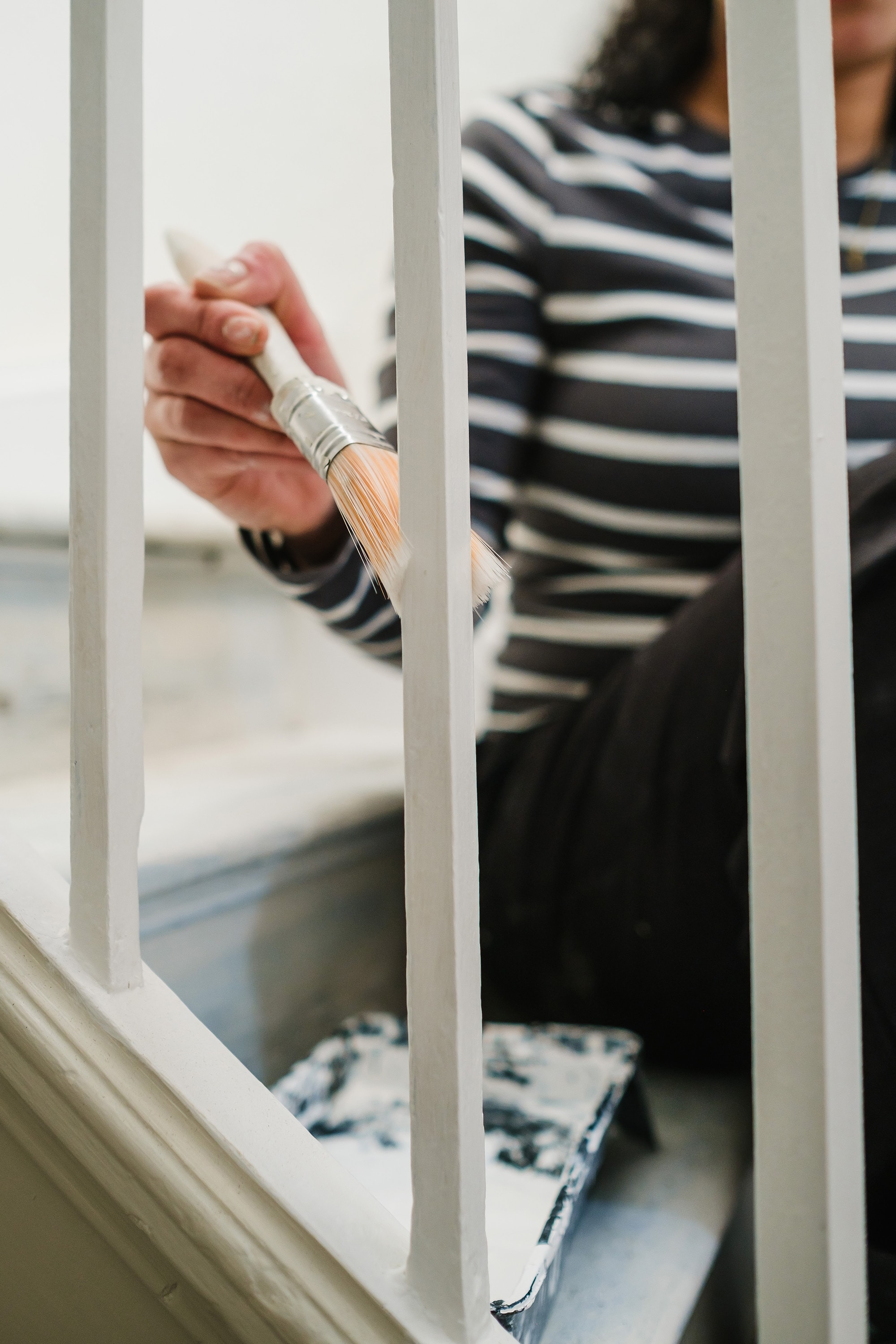
Small changes can make a surprisingly big difference. Paint is probably the most effective. Refreshing wall colours, or even repainting kitchen cabinets, can completely transform the feel of a space without requiring a major renovation.
If a property isn’t in good condition, however, it usually needs more than styling. Buyers will look closely at the finishes and consider what they would need to update after purchasing. In those cases, addressing tired or damaged surfaces can be more valuable than simply adding furniture and accessories.
WORK WITH WHAT YOU’VE GOT
I always try to work with the character that’s already there. The aim is to bring those features forward and help them shine, choosing colours, furniture and accessories that complement the property rather than competing with it.
If I had £5,000 to spend preparing a home for sale, I would focus on paint, artwork and textiles. Fresh paint provides the foundation, while well-chosen artwork helps anchor different areas and gives rooms a sense of identity. Lovely bedding and other textiles can make a real difference too, helping a space feel inviting, comfortable and considered.

Samaya Ling, Founder of Porter & Gold:
Good staging is about much more than making a property look good in photographs. It shows how each space and room could actually be lived in, giving it purpose and helping people understand how furniture could be arranged. This is particularly useful in quirky or unusual spaces.
The Home Staging Association UK & Ireland found that 87% of property professionals believe staging makes it easier for buyers to visualise a property as their future home, and I think that makes sense. Buyers want to know: will a bed fit in here? Which wall would my sofa be best on? Where should we put the dining table?
The main living areas are important, but so are the spaces people sometimes overlook. Entrance halls, for example, because they create the first feeling a potential buyer has when they walk into a home. You want that feeling to be calm, elegant, welcoming and warm. Those feelings can be created with a selection of rugs, furniture, art and mirrors.
A worthwhile investment
Professional staging usually costs around 1–1.5% of a property's value. That generally includes the design, preparing and the dressing of each room – right down to the last book or cushion – as well as the hire period (we offer 12 weeks as standard). Industry data suggests professionally staged homes can achieve around 5–10% more than comparable unstaged properties, and can sell up to four times faster.
“Staging can also help avoid the price reduction that agents will often suggest after a property has been on the market for a few months, which is usually around 5%. So staging can actually cost less than a price drop.”
Samaya Ling
There are some very common mistakes when people try to stage their own homes. Scale is a big one – having furniture that’s too small for a large room, or rugs that are too small for the space. People also get the flow wrong with their furniture layouts, which can make a room feel awkward. Then there are the finishing touches: cheap-looking textiles and soft furnishings, mass-produced, wishy-washy art on the walls, or bodged DIY jobs can really let a property down.

Samaya continues:
It might sound obvious but if buyers can see and feel how they would live in a home, it adds value. If each room has a clear function and purpose, it helps people picture themselves living there. I read recently that research suggests that professionally staged properties can achieve around 8–10% more than comparable unstaged homes. It adds value both in monetary terms and by potentially speeding up the sale process.
There’s also a misconception that staging is just for empty homes. Lived-in homes need it just as much. It might not involve bringing in a full set of furniture, it could be decluttering, deep cleaning, changing layouts and potentially investing in a few extra pieces to add that wow factor.
A PARTING GIFT
It’s also a good opportunity to get those little jobs done before selling. Your buyer doesn’t want to have to see past a list of things to do, whether they’re big or small. You want them to walk in and see the home, rather than a to-do list.
I completely understand when some sellers don’t want to invest in a home they’re leaving. I find a lot of sellers have really reached the end of their relationship with their homes. But I would say: make one last gift to your former home. Make the investment to get it looking its absolute best, welcome its new owners, and help to speed up and smooth the selling process for yourself. Then you can leave on a high.